 Image 1 of 3
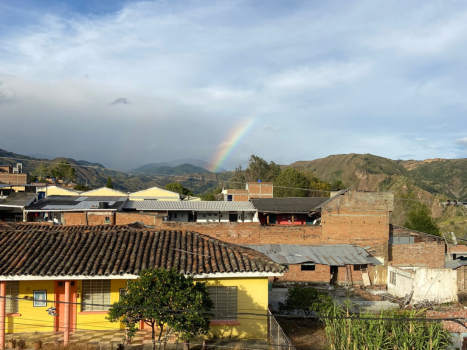 Image 2 of 3
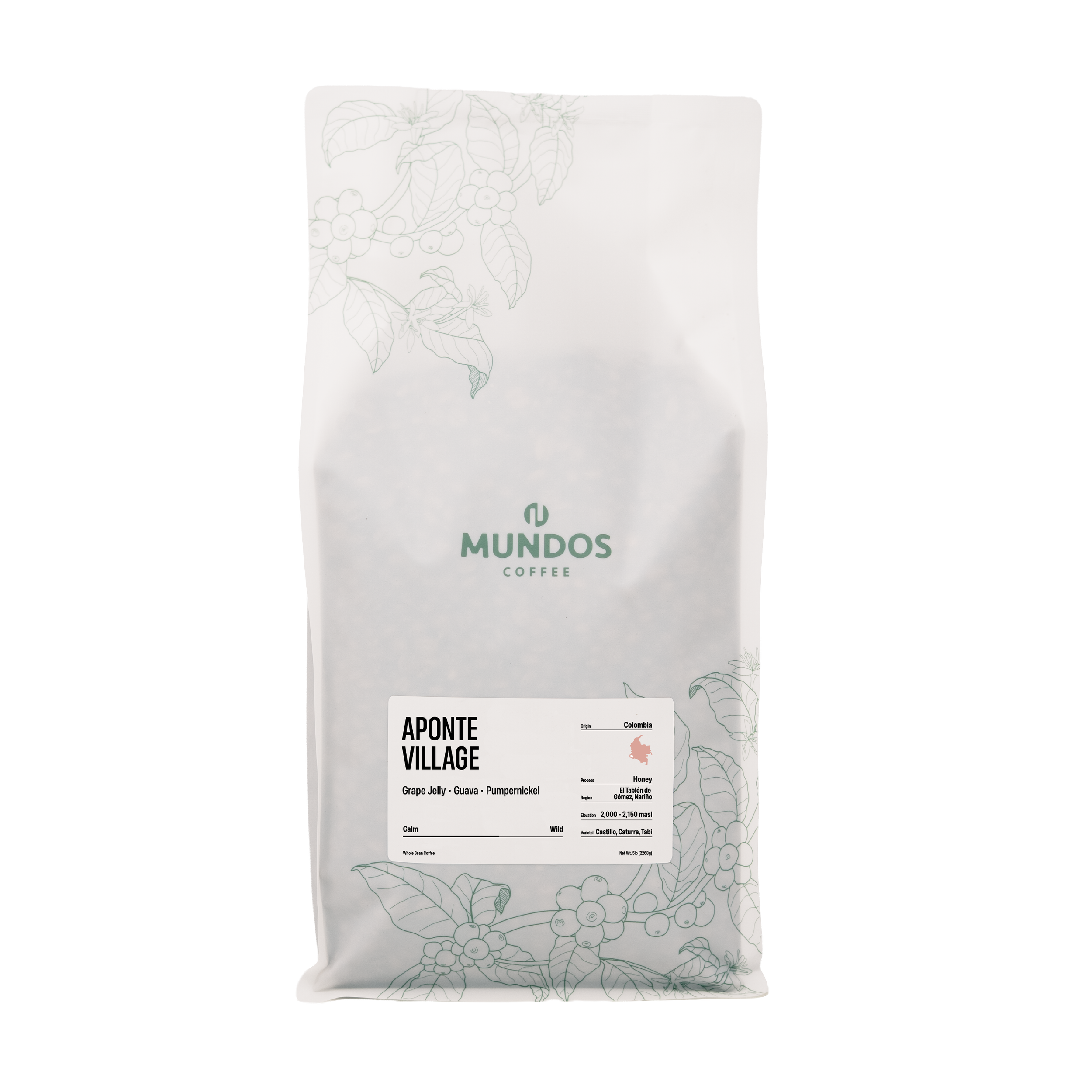 Image 3 of 3
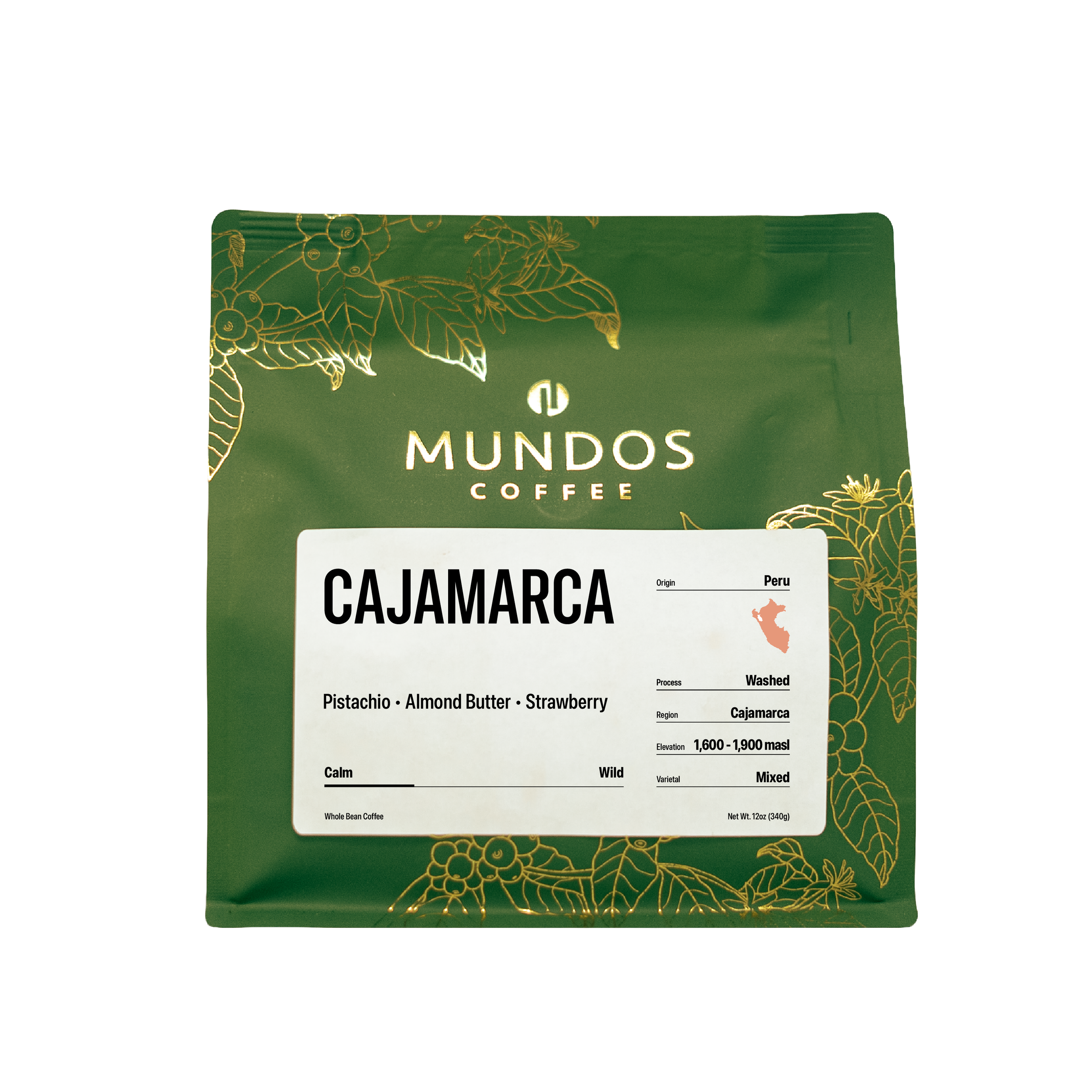
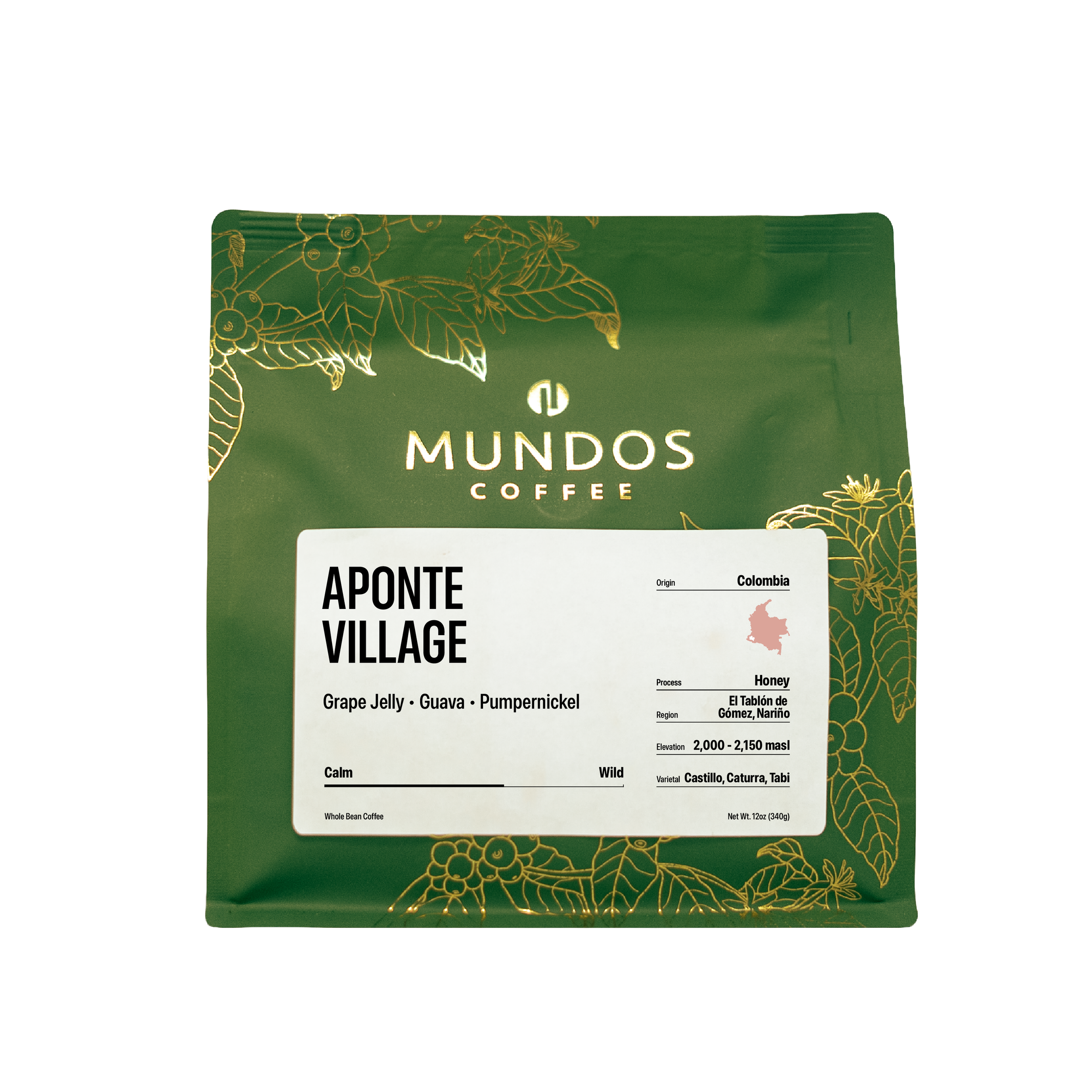
Whole Bean Coffee
[KUH-LUM-BEE-YUH • AH-PON-TEY • VILL-IJ]
Process: Washed
Bright and exceedingly sweet, with notes of guava and pumpernickel.
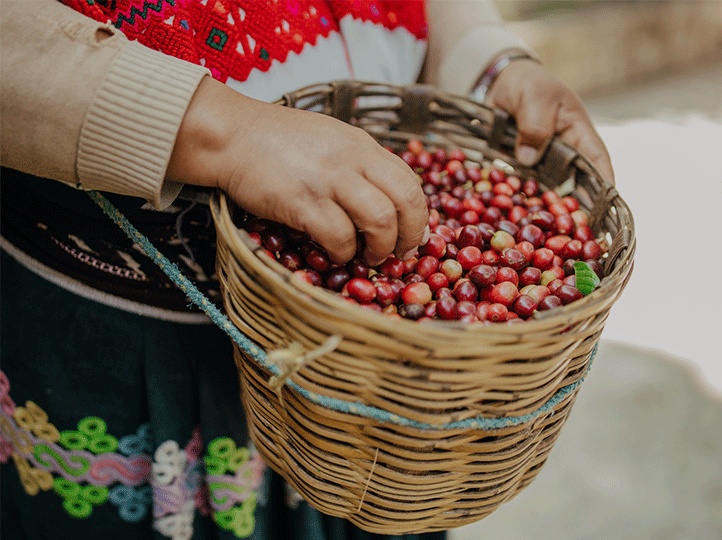
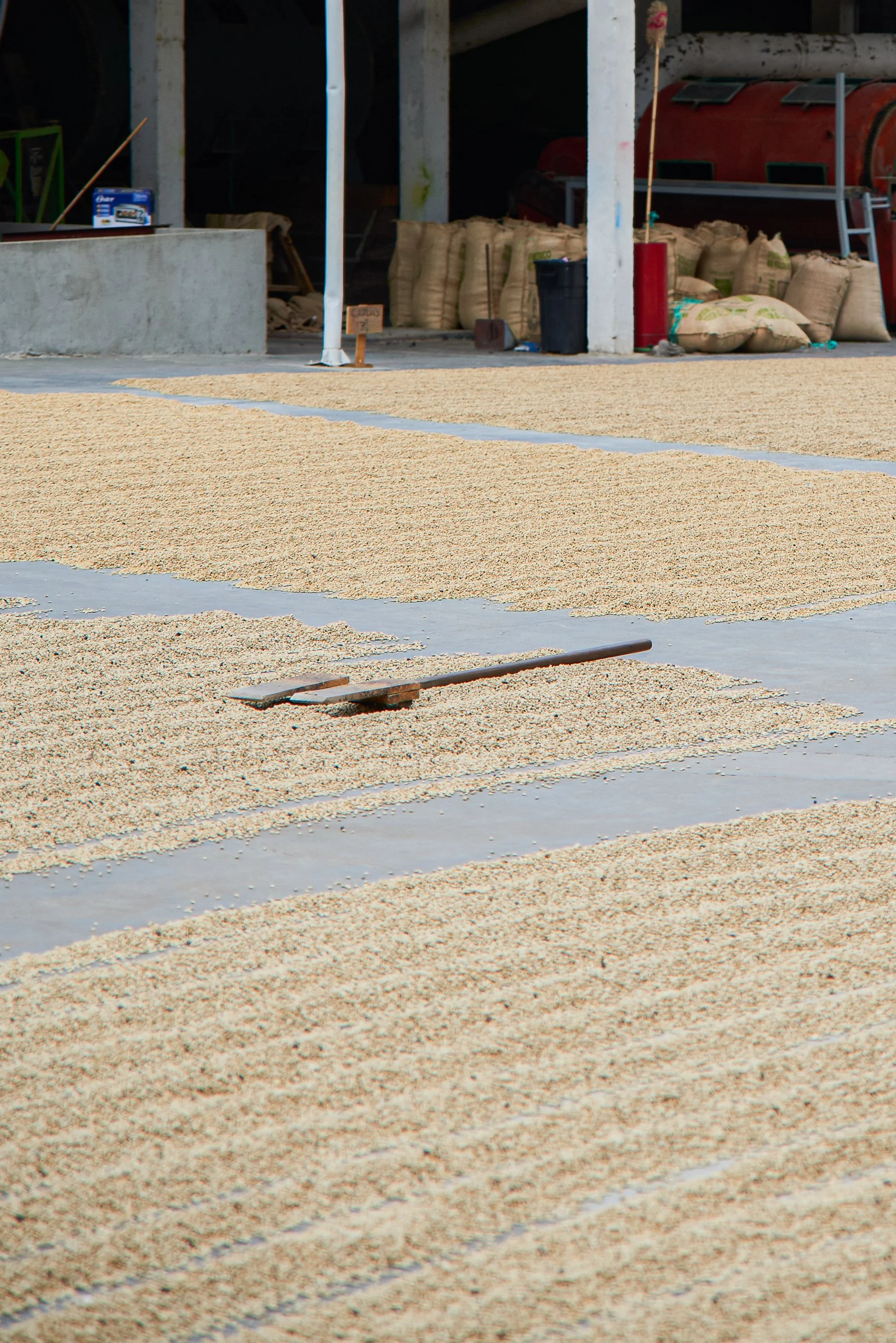
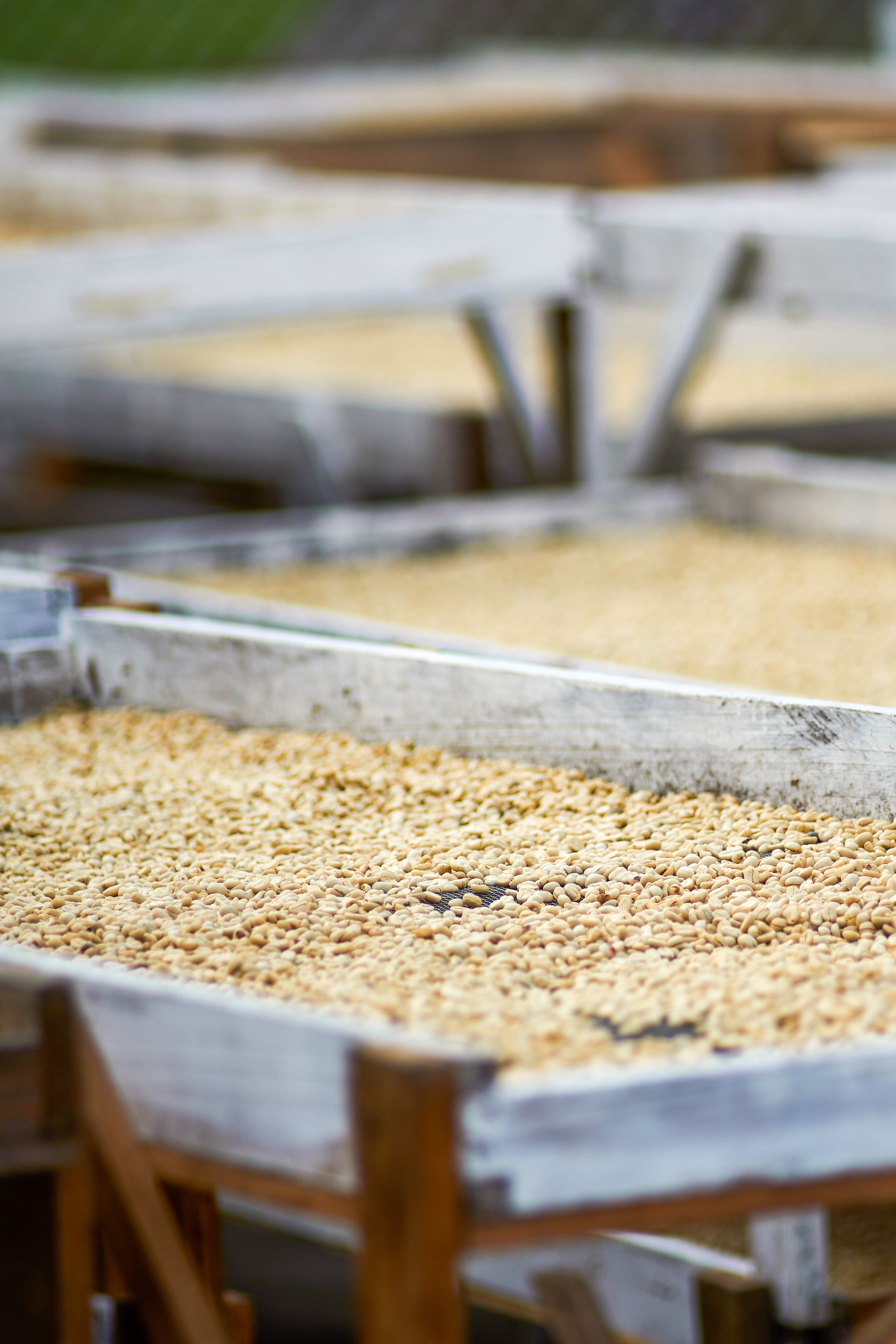
Aponte is a reknowned coffee growing community in Nariño, Colombia, where indigenous Inga producers cultivate coffee on communal lands. Specialty coffee is key to the community's identity, representing an economic avenue by which the Inga regained control after the armed conflict of the 80s and 90s. The area is a self-governing Indigenous territory — an autonomy Colombia's constitution recognizes — with working institutions: a Cabildo Mayor drawn from all nine communities, and nine Cabildos Menores, ministries in effect, for justice, education, health, women and gender, public services, sport and the economy. The coffee program answers to the Cabildo Menor de Economía, coordinated today by a twenty-two-year-old studying international business in Pasto: the generation the peace was planted for. More than seven hundred producers now grow coffee inside the territory; walk its nine communities and the roofs and patios are covered with drying parchment, in a territory poppy once ruled.
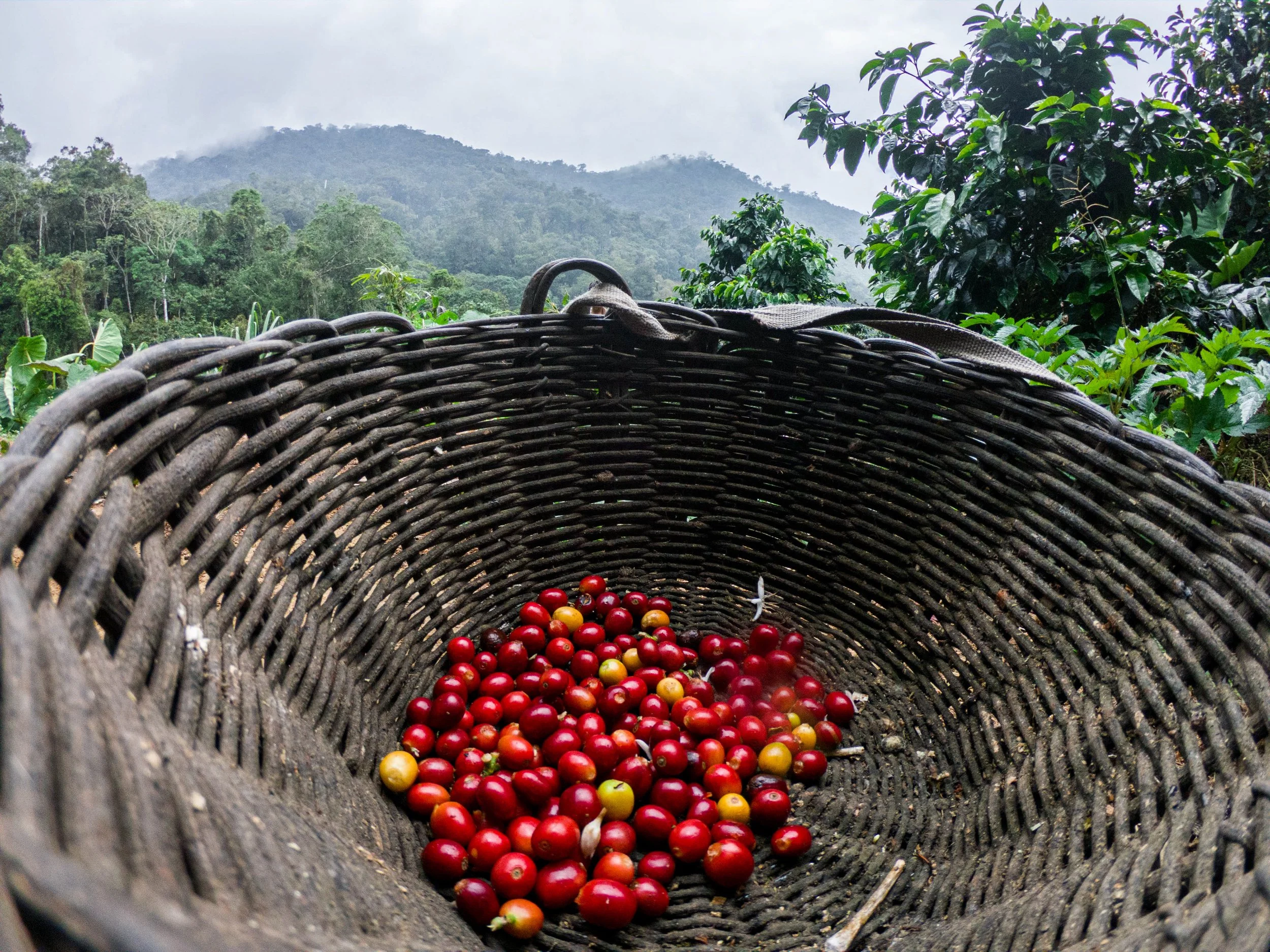
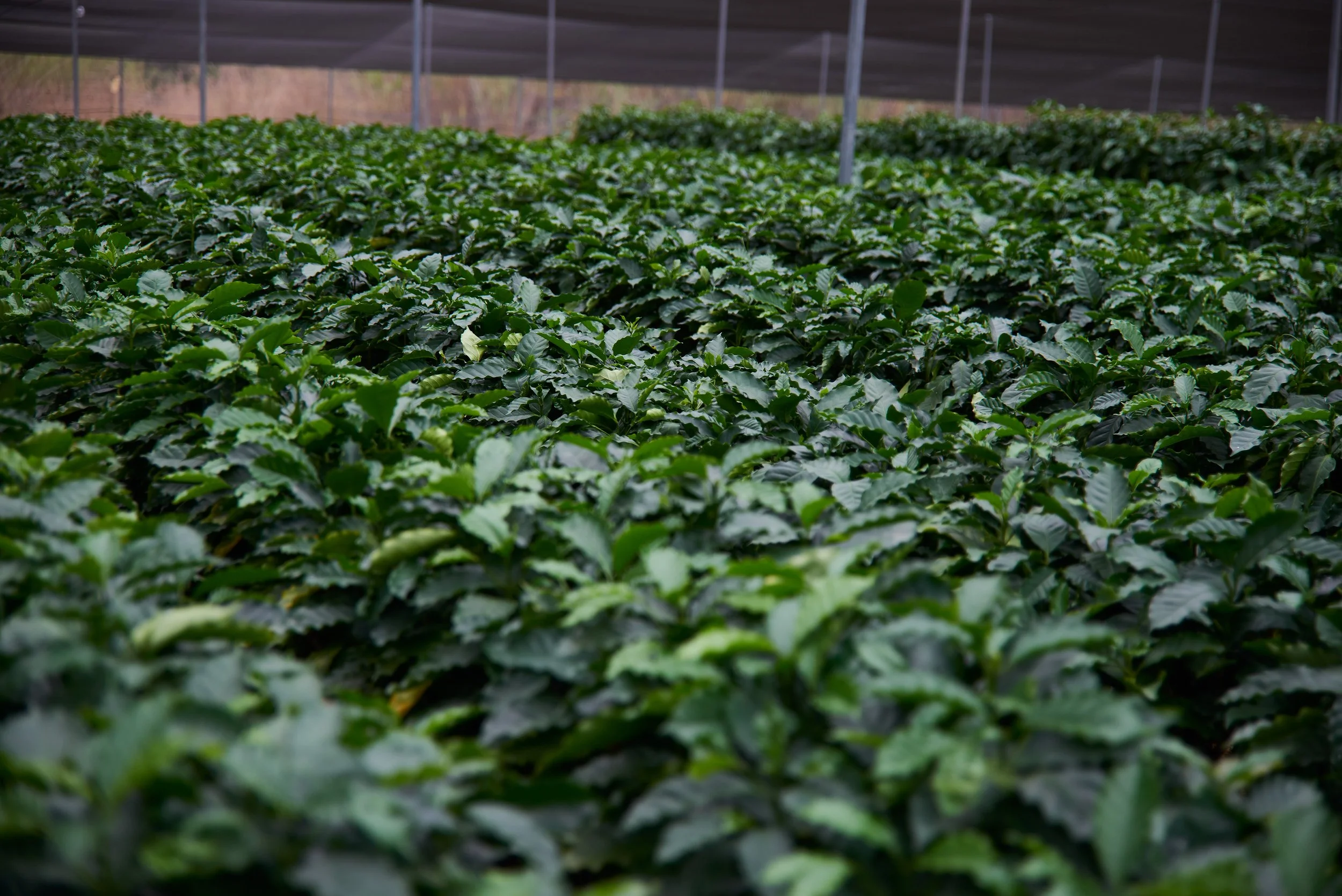
Although they grow typical varieties such as Castillo and Colombia, Aponte producers deviate from the standard washed process in favor of honey processing as their preferred method, in part because of the water it saves. Done carelessly, the honey method fails. Done with the patience this community holds in surplus, the seed dries in contact with its own sugars and the resulting cup is layered and extremely sweet. The region’s volcanic soils, cool mountain climate, and elevations reaching over 2,000 meters means trees grow slowly and cherries stay small and dense, which contributes to the exceptional quality and complexity of Aponte's coffees.
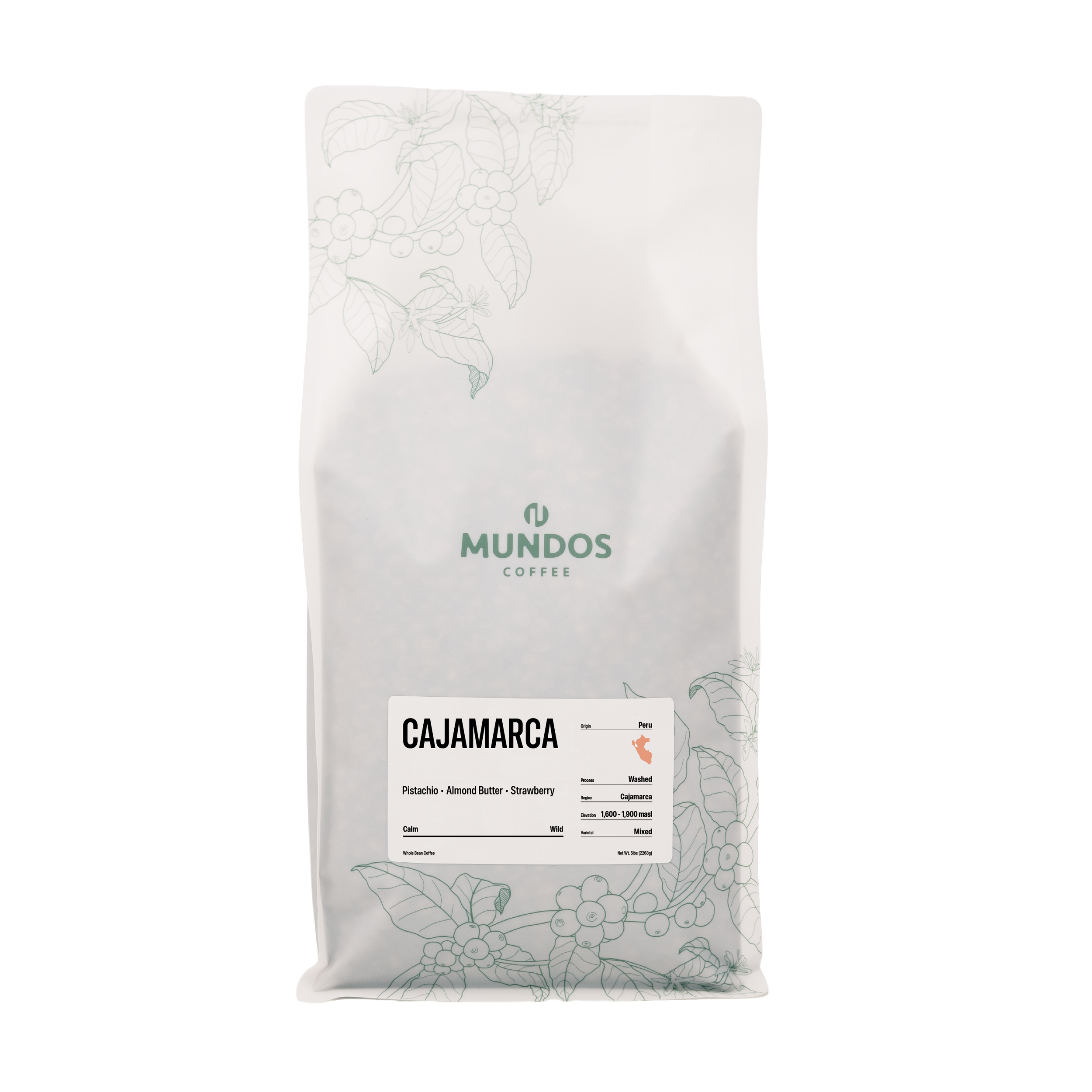
Whole Bean Coffee
[KUH-LUM-BEE-YUH • AH-PON-TEY • VILL-IJ]
Process: Washed
Bright and exceedingly sweet, with notes of guava and pumpernickel.
Aponte is a reknowned coffee growing community in Nariño, Colombia, where indigenous Inga producers cultivate coffee on communal lands. Specialty coffee is key to the community's identity, representing an economic avenue by which the Inga regained control after the armed conflict of the 80s and 90s. The area is a self-governing Indigenous territory — an autonomy Colombia's constitution recognizes — with working institutions: a Cabildo Mayor drawn from all nine communities, and nine Cabildos Menores, ministries in effect, for justice, education, health, women and gender, public services, sport and the economy. The coffee program answers to the Cabildo Menor de Economía, coordinated today by a twenty-two-year-old studying international business in Pasto: the generation the peace was planted for. More than seven hundred producers now grow coffee inside the territory; walk its nine communities and the roofs and patios are covered with drying parchment, in a territory poppy once ruled.
Although they grow typical varieties such as Castillo and Colombia, Aponte producers deviate from the standard washed process in favor of honey processing as their preferred method, in part because of the water it saves. Done carelessly, the honey method fails. Done with the patience this community holds in surplus, the seed dries in contact with its own sugars and the resulting cup is layered and extremely sweet. The region’s volcanic soils, cool mountain climate, and elevations reaching over 2,000 meters means trees grow slowly and cherries stay small and dense, which contributes to the exceptional quality and complexity of Aponte's coffees.