Whole Bean Coffee
[EETH-EE-OPE-YA • HAM-BELL-UH • WUH-MEN-UH]
Process: Natural
Blueberry, Maple Syrup, Cinnamon
Rich and syrupy sweet naturally processed Ethiopia. Notes of cinnamon and blueberry.
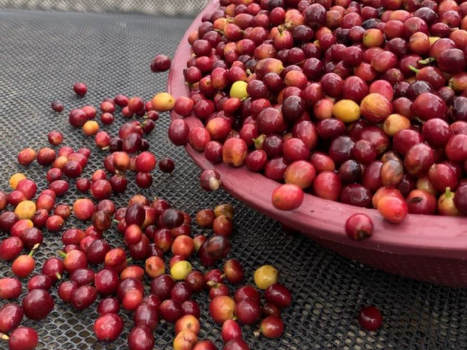
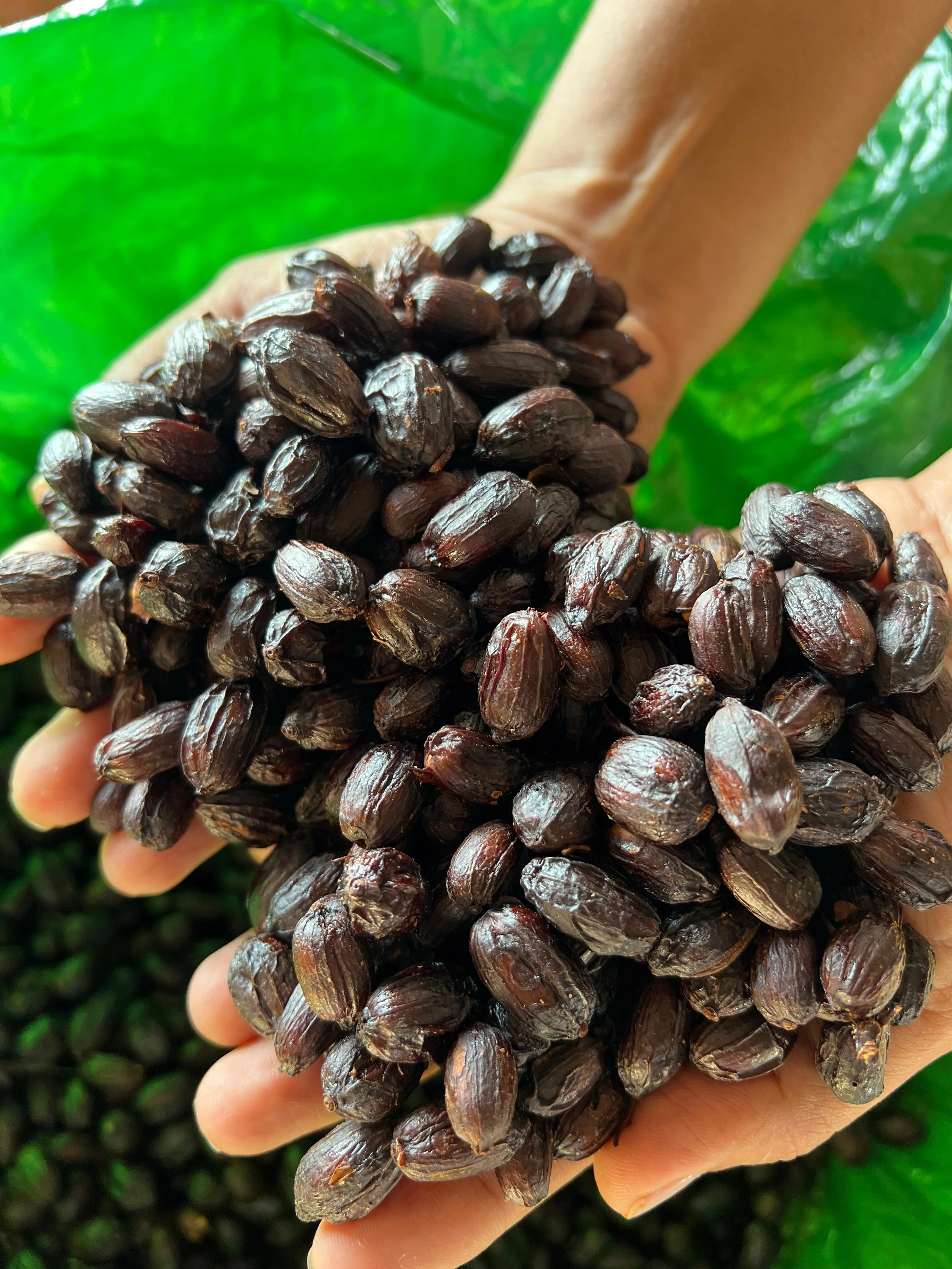
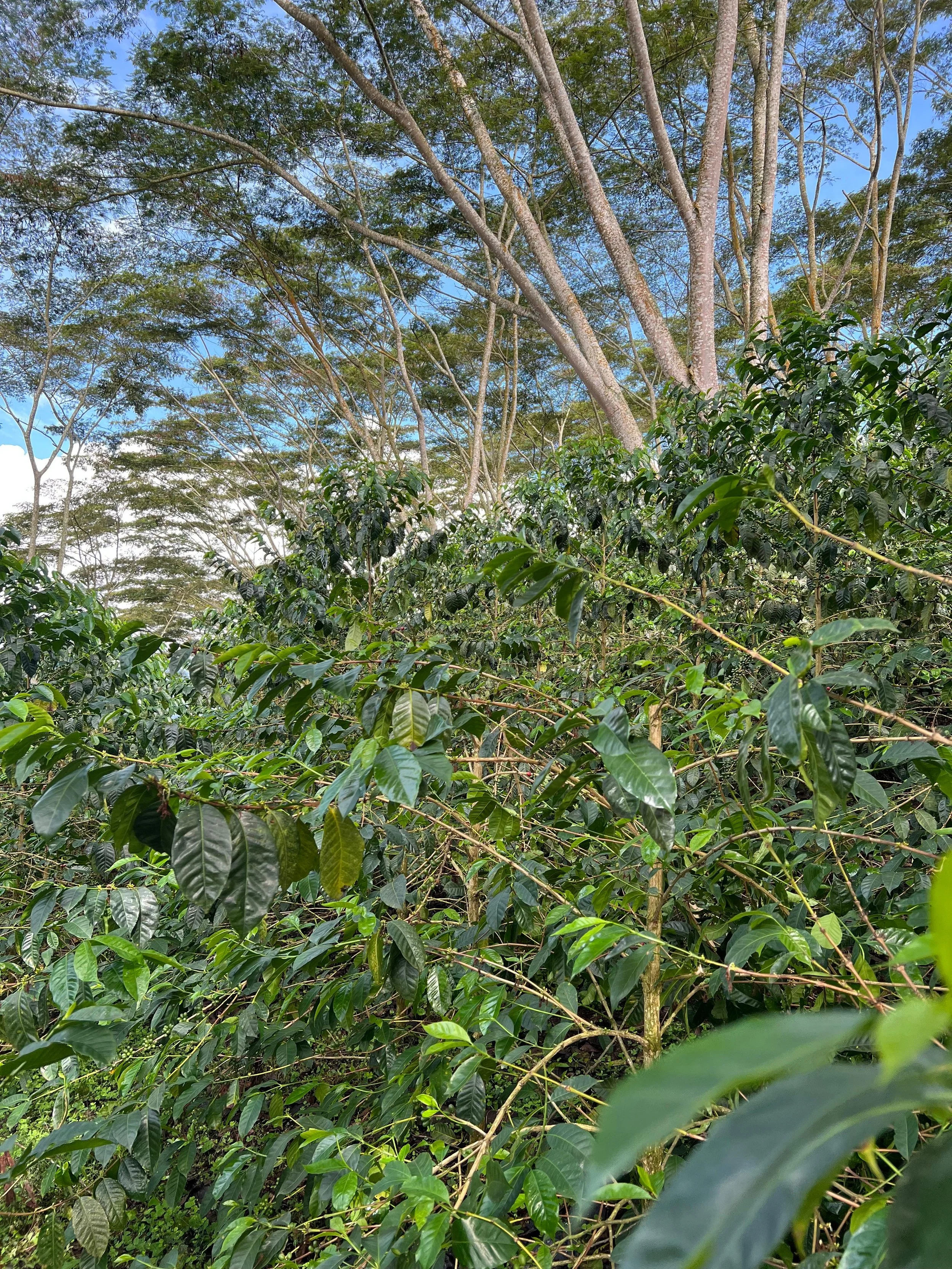
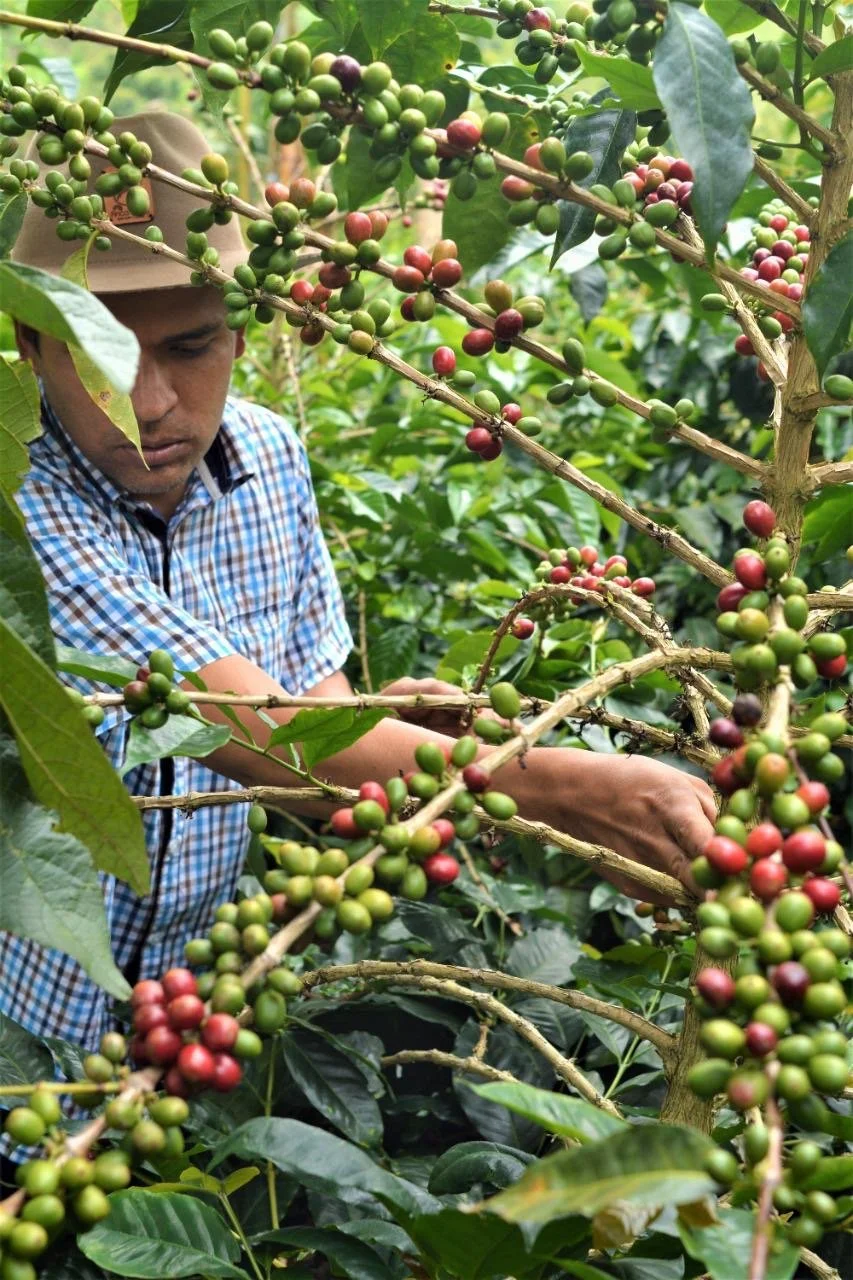
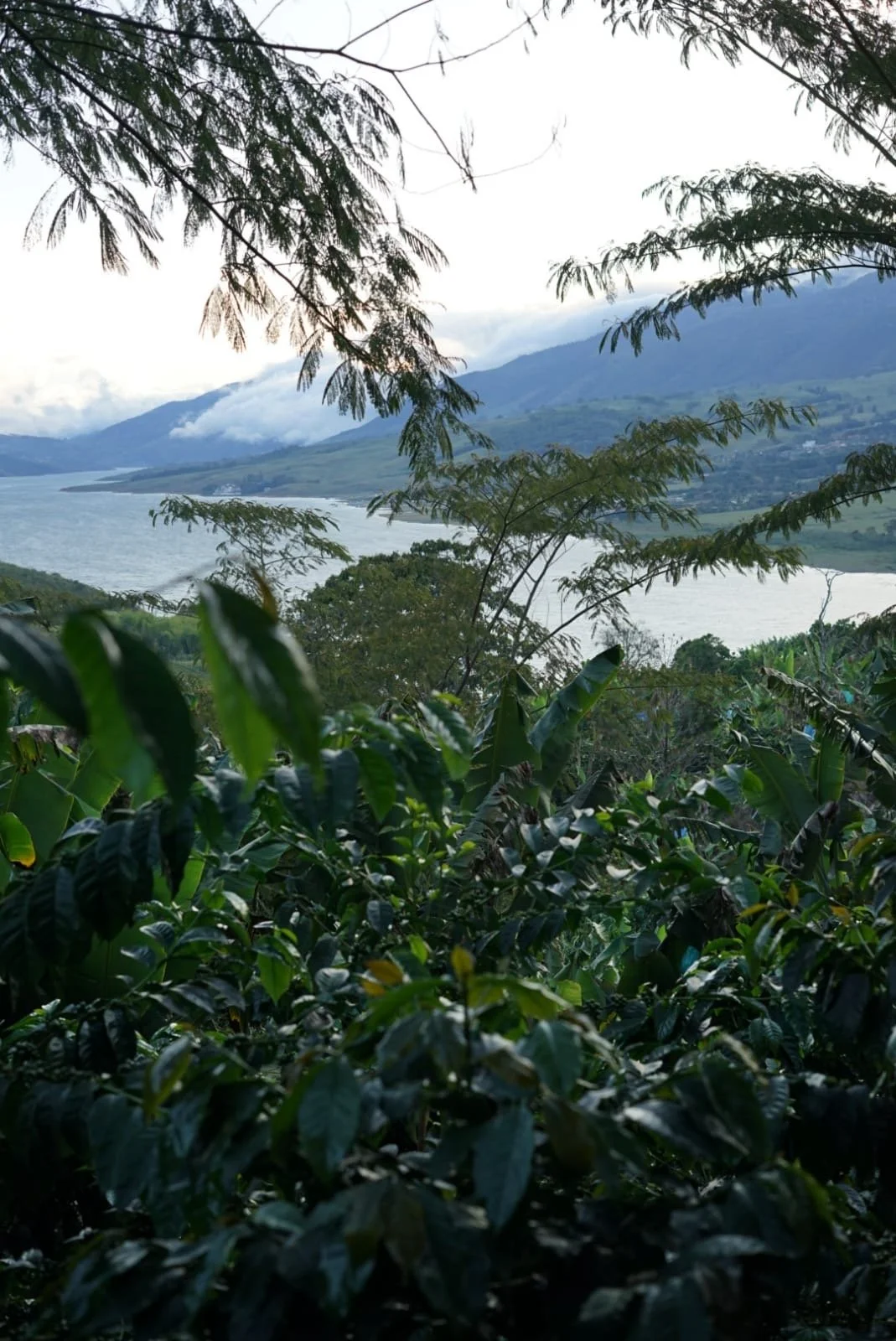
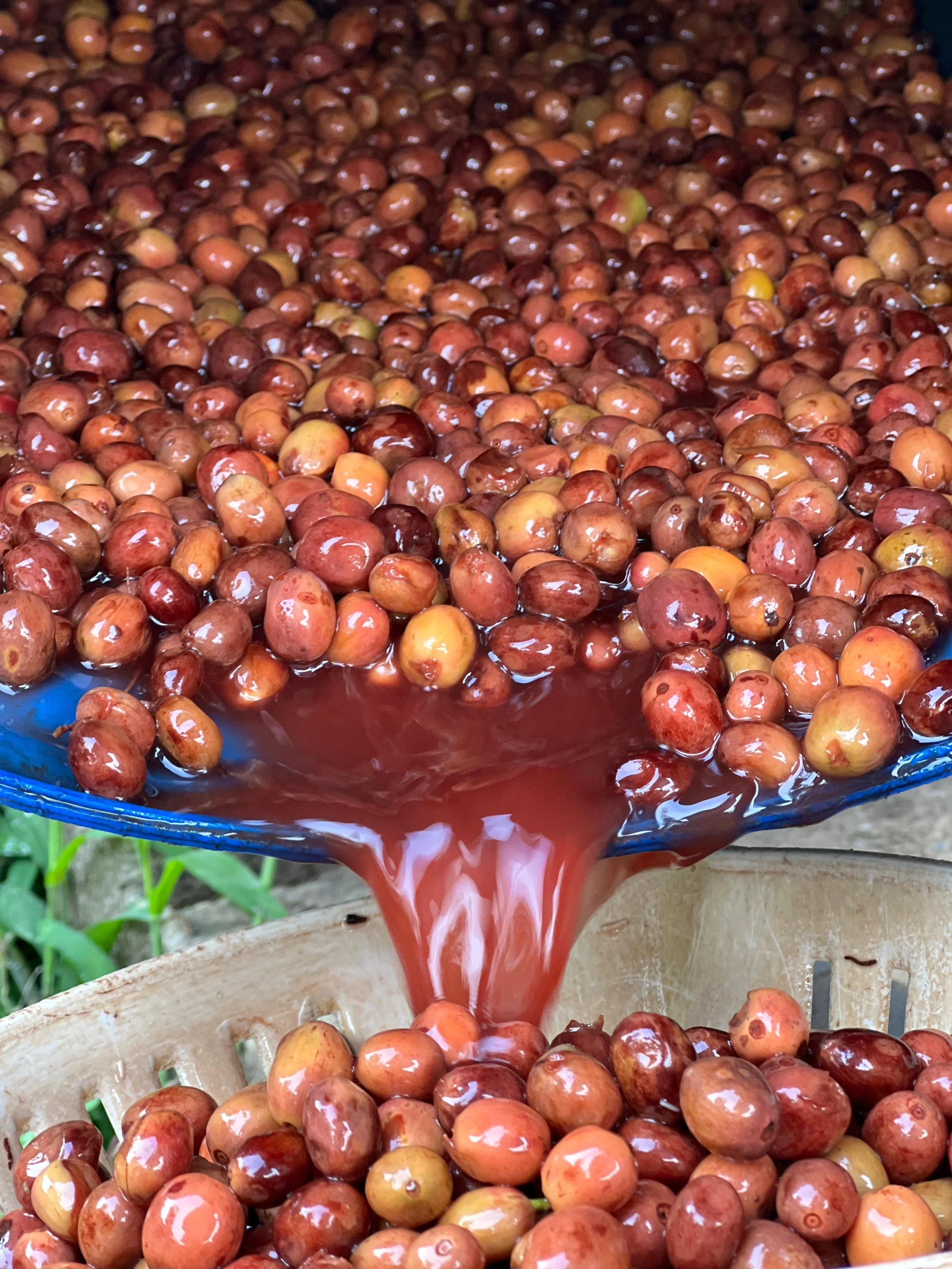
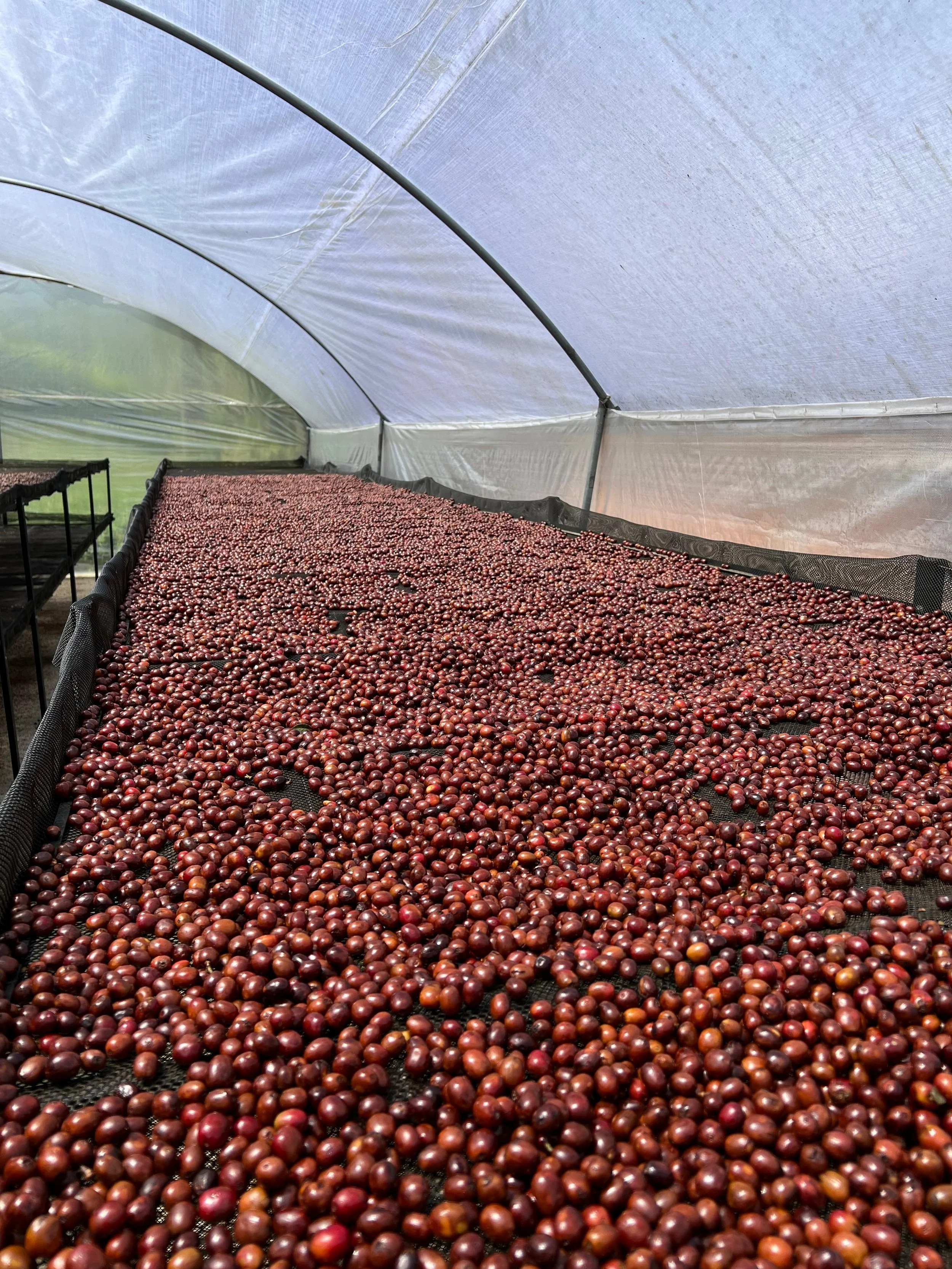
The Hambela Wamena Washing Station was founded in 2018 by the founder of Tega & Tula farms. Its location at the top of the highest mountain peak of Guji, Hambela, makes it a central point to serve surrounding towns, and it currently serves around 3,900 producers. There are a number of social programs supported by this washing station, including the building of roads, schools, and technical equipment and support for producers as well as medical health expenses and support for women's health care. Coffees in Ethiopia are typically grown on very small plots of land by farmers who also grow other crops. The majority of smallholders will deliver their coffee in cherry to a nearby washing station or central processing unit, where their coffee will be sorted, weighed, and paid for or given a receipt. Coffee is then processed by the washing station and dried on raised beds. The washing stations serve as many as several hundred to sometimes a thousand or more producers, who deliver cherry throughout the harvest season.
Whole Bean Coffee
[EETH-EE-OPE-YA • HAM-BELL-UH • WUH-MEN-UH]
Process: Natural
Blueberry, Maple Syrup, Cinnamon
Rich and syrupy sweet naturally processed Ethiopia. Notes of cinnamon and blueberry.
The Hambela Wamena Washing Station was founded in 2018 by the founder of Tega & Tula farms. Its location at the top of the highest mountain peak of Guji, Hambela, makes it a central point to serve surrounding towns, and it currently serves around 3,900 producers. There are a number of social programs supported by this washing station, including the building of roads, schools, and technical equipment and support for producers as well as medical health expenses and support for women's health care. Coffees in Ethiopia are typically grown on very small plots of land by farmers who also grow other crops. The majority of smallholders will deliver their coffee in cherry to a nearby washing station or central processing unit, where their coffee will be sorted, weighed, and paid for or given a receipt. Coffee is then processed by the washing station and dried on raised beds. The washing stations serve as many as several hundred to sometimes a thousand or more producers, who deliver cherry throughout the harvest season.


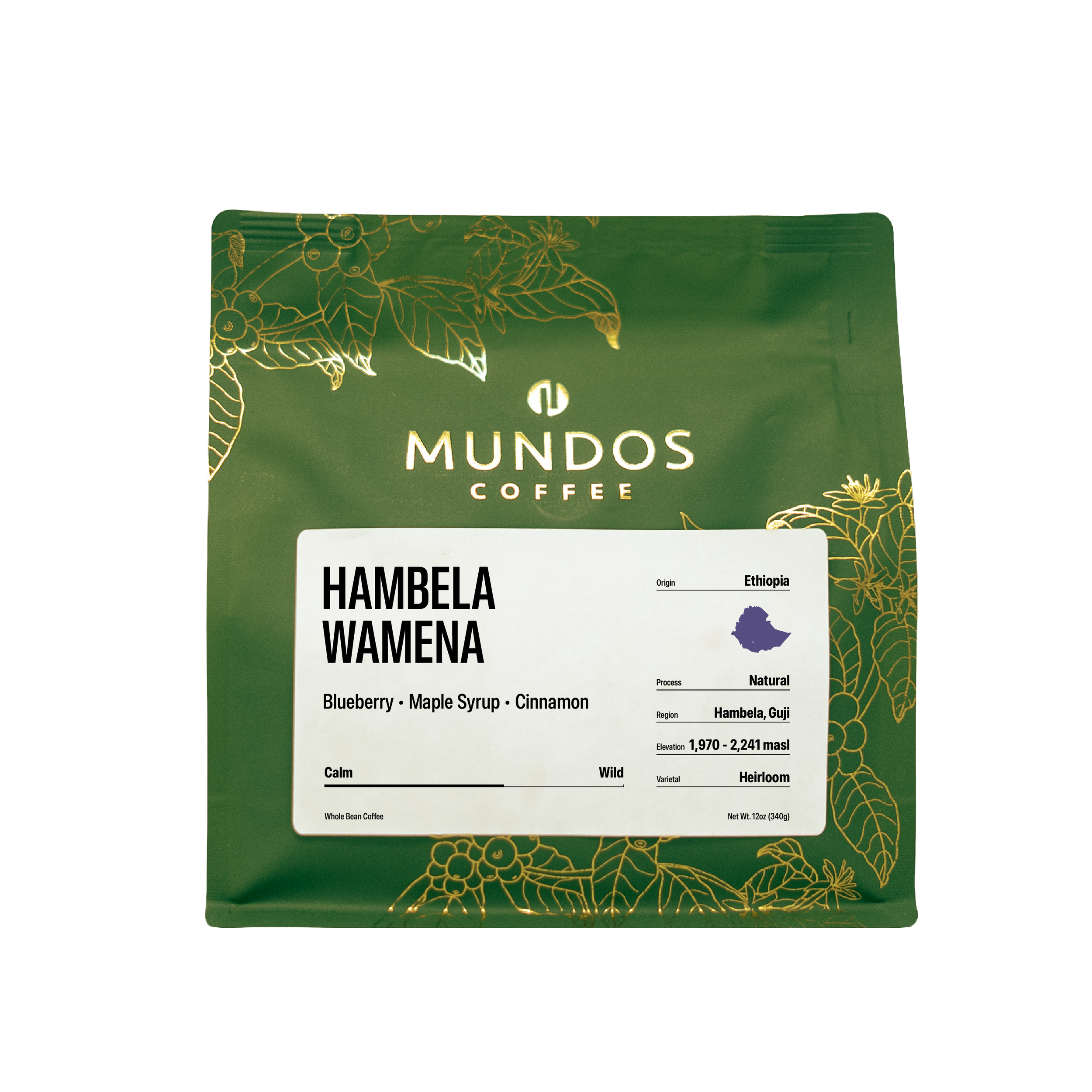 Image 1 of 7
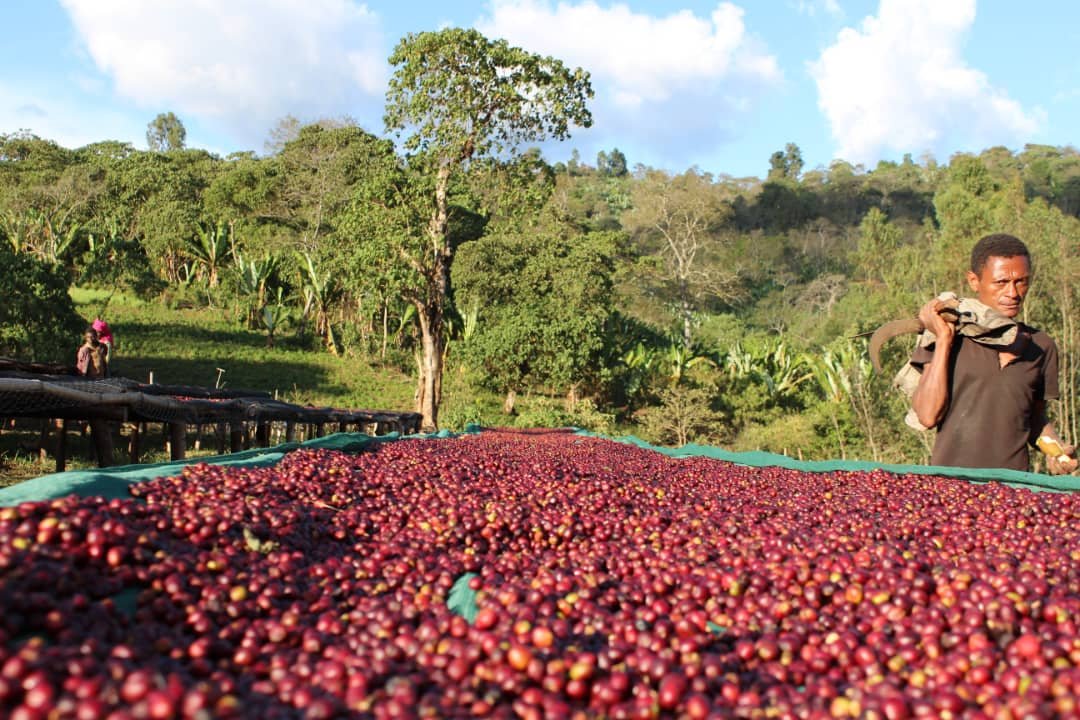 Image 2 of 7
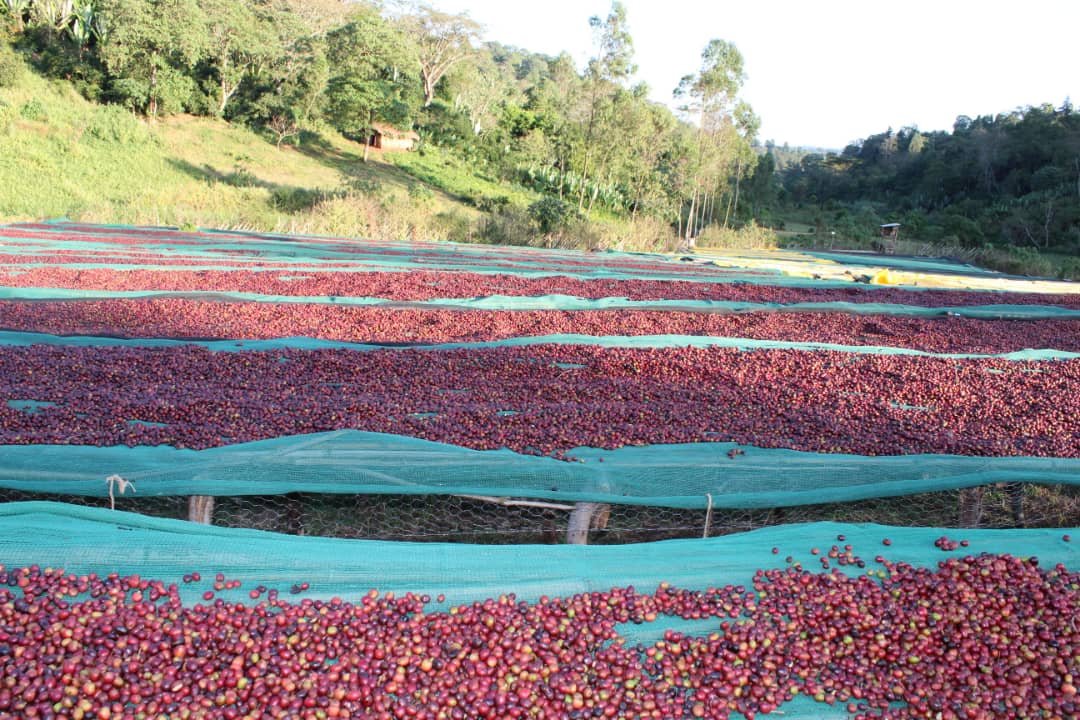 Image 3 of 7
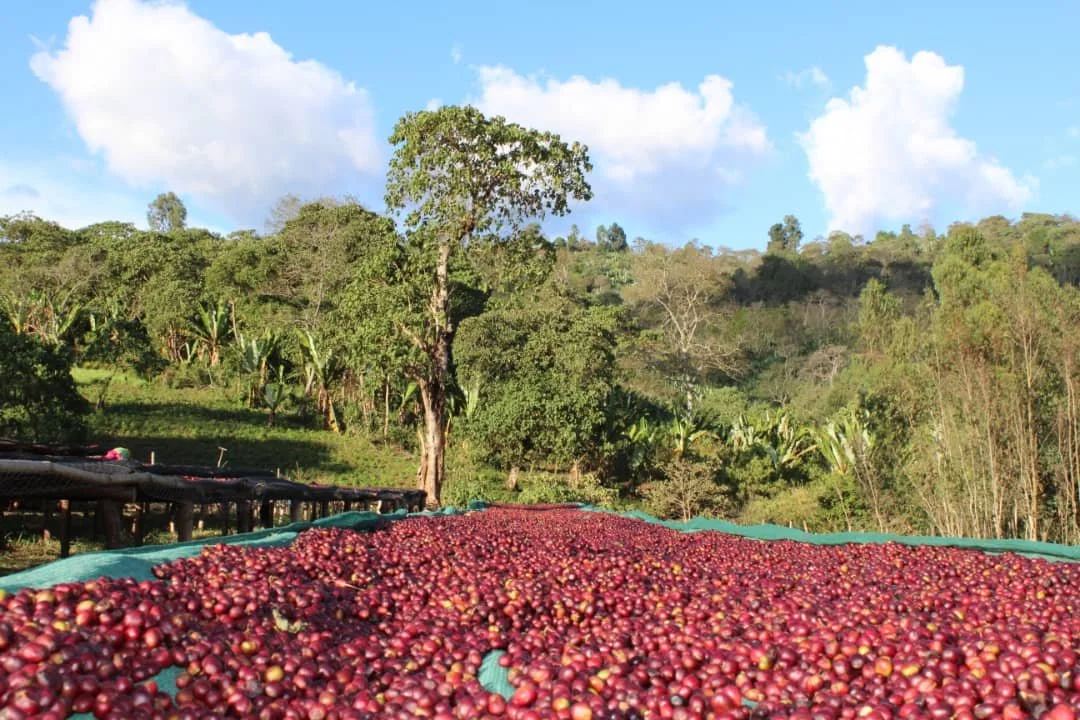 Image 4 of 7
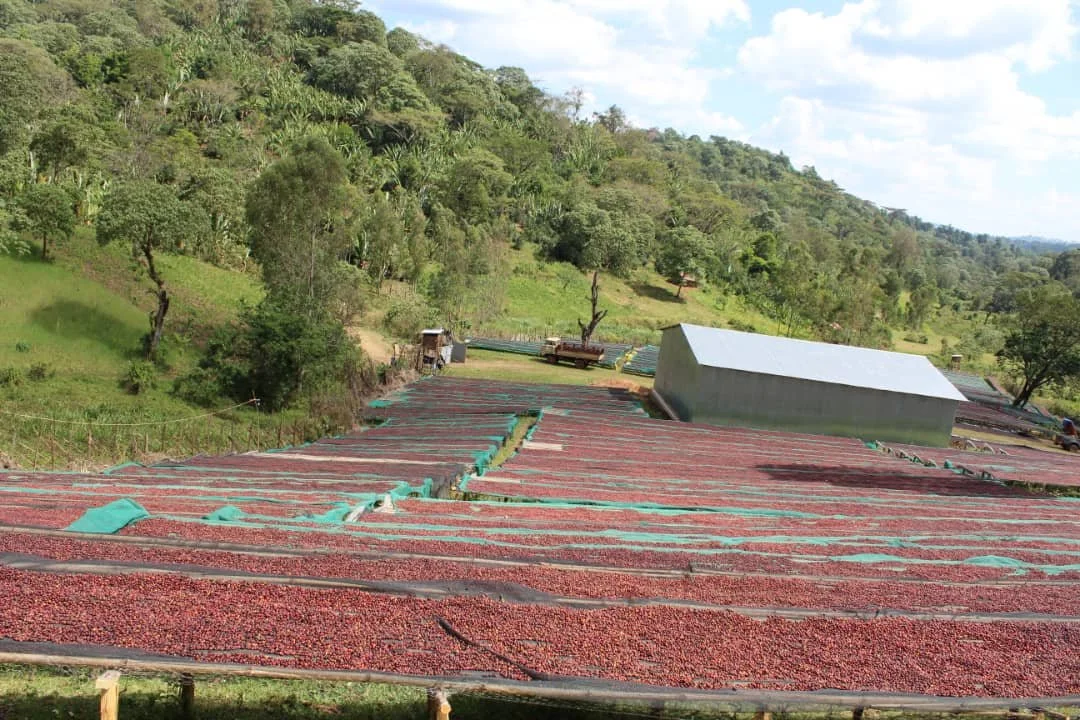 Image 5 of 7
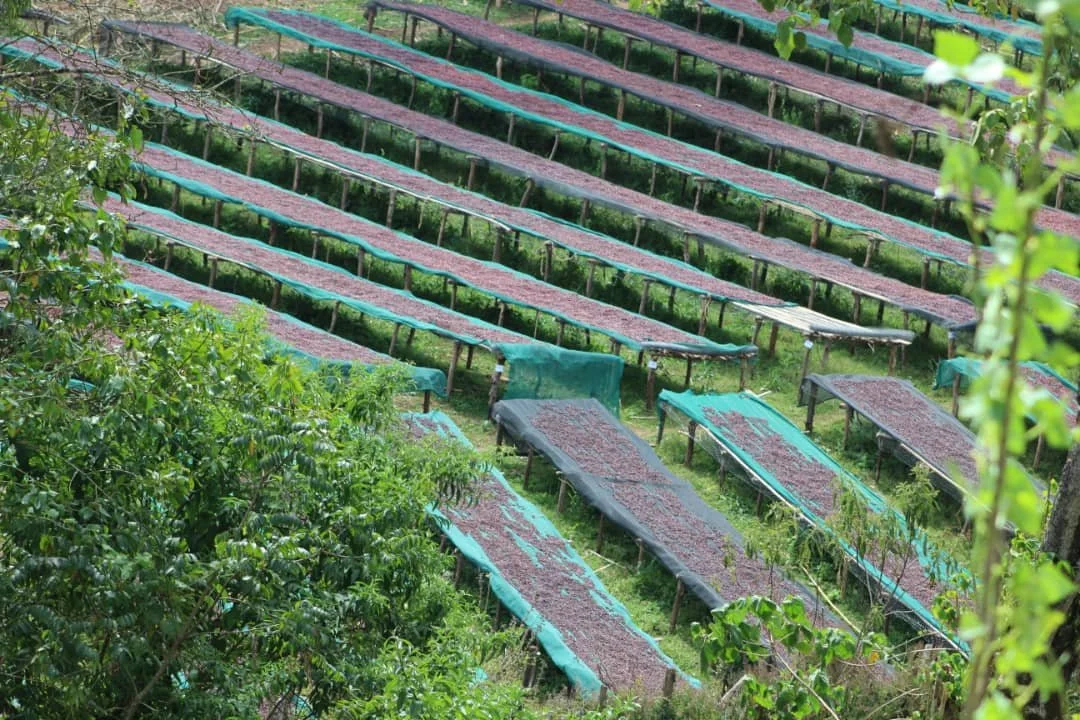 Image 6 of 7
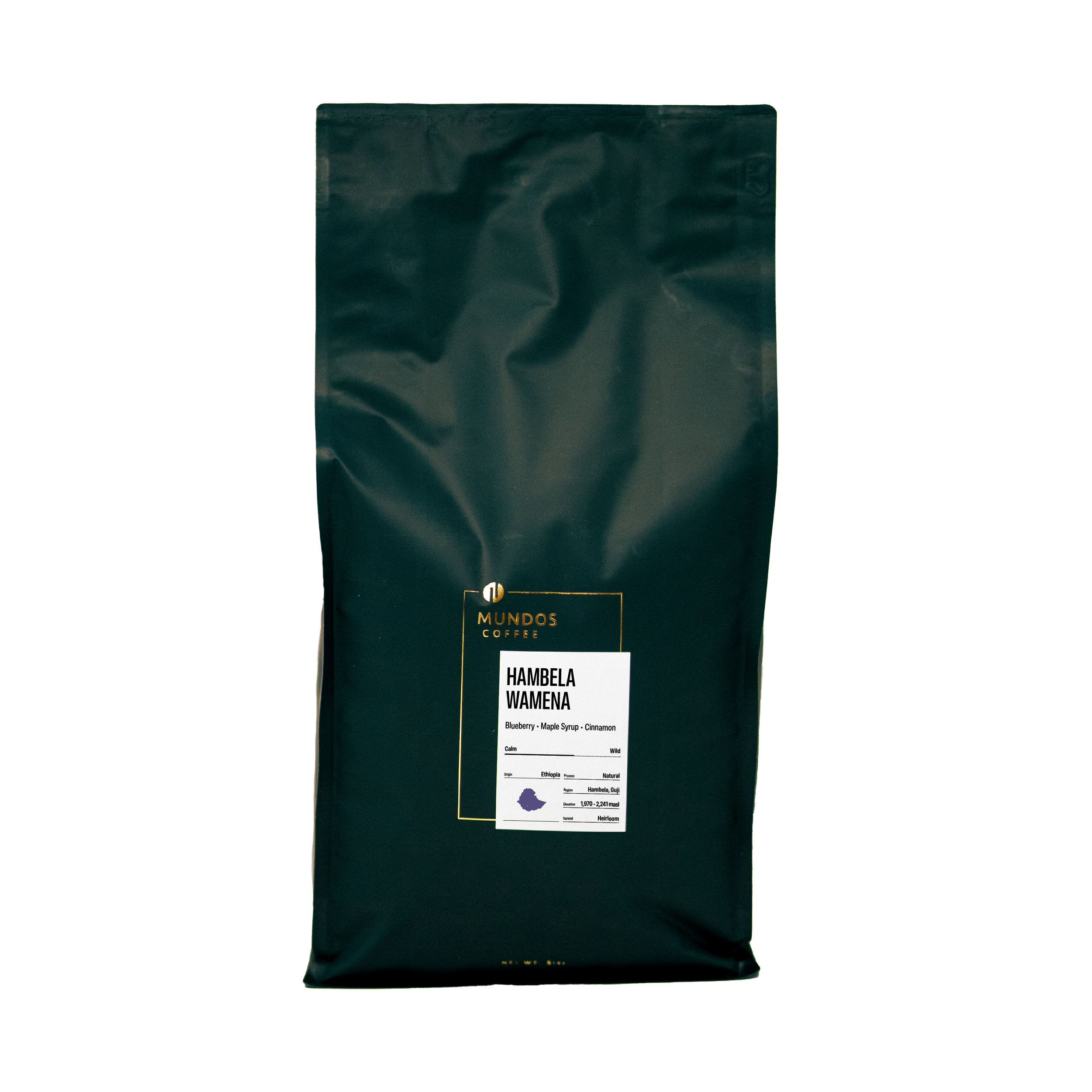 Image 7 of 7